
Beyond Yelling: Better Ways to Communicate with Your Toddler
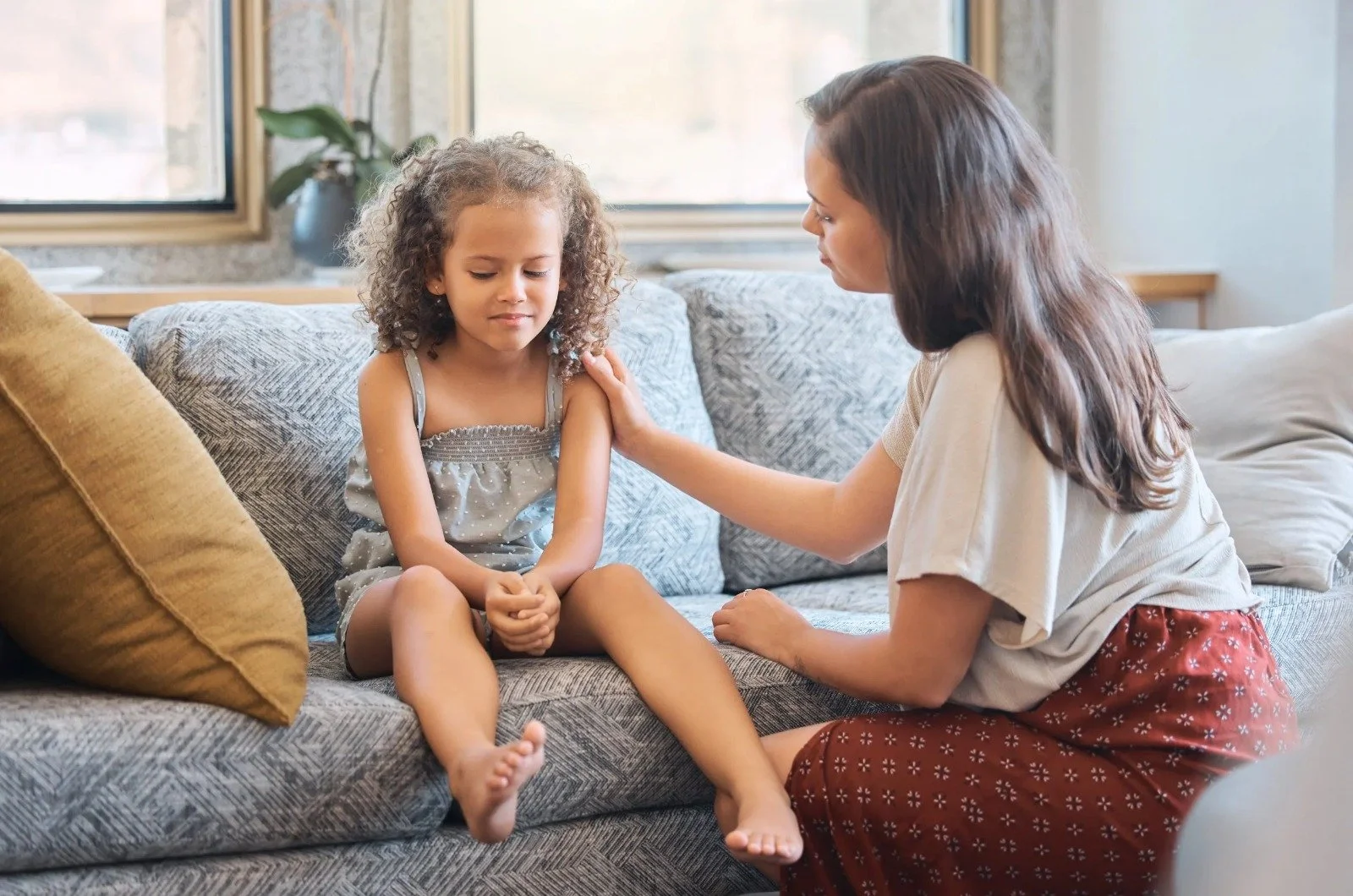
Many parents resort to yelling when their toddler isn’t listening, but this often leads to more defiance or emotional shutdown. Instead, using the right communication strategies can help you connect with your child while encouraging positive behavior. Here’s how:
1. Get on Their Level
Toddlers respond better when you make eye contact and speak at their level. Squatting down to meet their gaze shows respect and ensures they are fully engaged in what you’re saying.
2. Use Simple and Clear Language
Young children process language differently than adults. Short, direct phrases like “Shoes on, then outside” work better than long explanations.
3. Offer Choices to Encourage Cooperation
Instead of demanding, “Put on your jacket now!” try, “Do you want to wear the red jacket or the blue one?” This gives your child a sense of control while still achieving the goal.
4. Use Positive Phrasing
Rather than saying “Don’t run inside!”, say “Use your walking feet.” This helps toddlers understand what to do instead of what to avoid.
5. Validate Feelings Before Correcting Behavior
If your child is upset, acknowledge their emotions first: “I see you’re frustrated because you want more playtime.” Then guide them towards a solution: “We can play after dinner.”
6. Offer Gentle Physical Touch
A reassuring hand on the shoulder or a hug can sometimes communicate more effectively than words, especially when a child is overwhelmed.
7. Model the Behavior You Want to See
Children learn by imitation. If you want your child to use a calm voice and kind words, they need to see you doing the same—even in stressful moments.
How Our Nannies Can Help
At Starz Staffing Agency, we understand the importance of effective communication in child development. Our experienced nannies are trained in positive discipline techniques, helping children build emotional regulation and strong communication skills—all while making parenting easier for you.